Dental
 Orthodontics


Retainers After Braces: How to Stop Teeth Moving Back and Keep Your Smile Straight
At Braces & Faces Orthodontics, we want our patients to have access to our useful guides and feel informed about their orthodontic treatment. Your braces or Invisalign® aligners did the moving. Now retention keeps your new smile where you want it.
This guide explains why teeth can drift after treatment, how our retention plans work, the difference between fixed and removable retainers, and what to do if something goes wrong. We also cover Dental Monitoring for check-ins, whitening timing, and support options if you are feeling anxious.
Why teeth try to move back
Teeth sit in gum and bone that have adapted to their old positions for years. After braces or Invisalign®, the bone and fibres around your teeth need time to remodel and stabilise. Everyday forces, such as chewing, speaking, and even subtle tongue and lip pressures, can nudge teeth. Natural age-related changes also continue throughout life.
This drift is called relapse. It can be small and slow, but without a plan it adds up. Retainers act like a safety belt. They hold your teeth while the supporting tissues settle and then protect against future movement.
Why the retention phase matters
Retention is the longest and most important phase of orthodontic care. Active treatment aligns your teeth. Retention preserves that alignment. Skipping or shortening this phase risks gaps reopening, teeth rotating slightly, or the bite feeling uneven again.
Our approach is simple and evidence-based. Wear what we prescribe, look after it carefully, and keep in touch. When in doubt, contact us. Small issues are easiest to fix early.
Your retention plan at Braces & Faces Orthodontics
Every plan is tailored to your bite, but most patients receive:
A bonded fixed retainer behind the front teeth where clinically suitable Custom clear removable retainers, often Vivera by Invisalign®, with spares when indicated We explain your wear schedule at debond or aligner finish, show you how to insert and remove retainers safely, and book your first review. Where suitable, we also set you up on Dental Monitoring so we can check fit, gum health, and any signs of early movement between visits.
If you are exploring options before treatment, you can read more about braces choices on our page for fixed braces in Wolverhampton, or learn how clear aligners work with our overview of Invisalign® in Wolverhampton.
Fixed vs removable retainers
Fixed (bonded) retainers
What they are: A thin wire bonded behind the front teeth, typically canine to canine.
Pros: Always in place, invisible in normal speech, excellent at holding alignment in the most relapse-prone area.
Considerations: You must clean carefully around the wire. If the bond loosens, contact us promptly.
Removable retainers
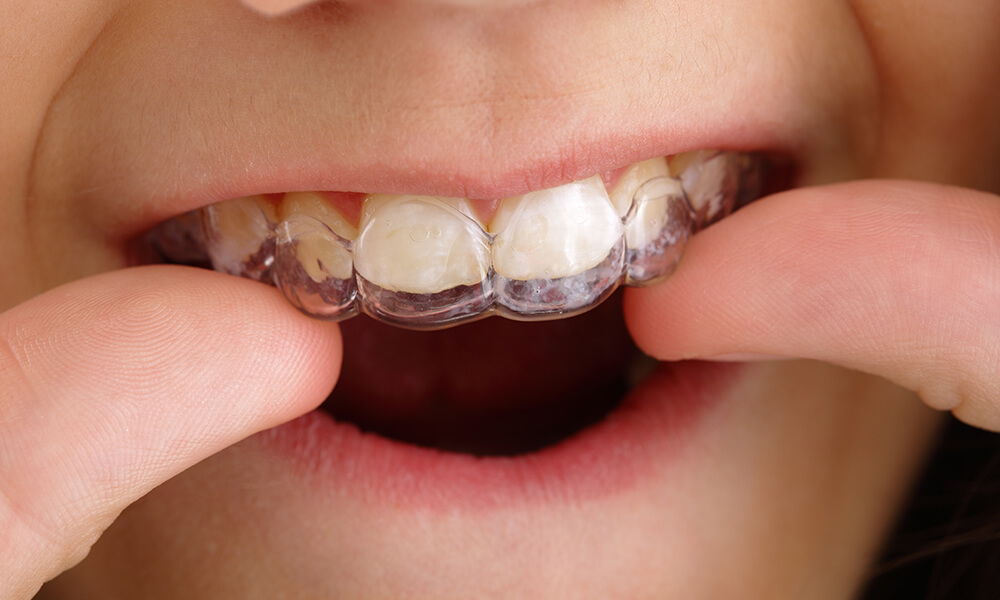
What they are: Clear, custom-moulded trays that fit over your teeth, such as Vivera by Invisalign®.
Pros: Precise fit, easy to clean, useful as a back-up if a fixed retainer fails. Often supplied in multiple sets.
Considerations: You must remember to wear them as advised and store them safely.
How long to wear them
We typically recommend nightly wear for the long term once we taper from full-time. Some patients may need more frequent wear initially. Teeth can change with age, so long-term night-time wear is a sensible investment in your smile.
Daily wear schedule and practical tips
In the first phase after braces or Invisalign®, most patients wear removable retainers full-time for a short period, then step down to nights only. We confirm your exact schedule in person. Aim to build a routine around sleep. If you miss a night, wear your retainers the next day while at home to make up time, then resume nights.
Three quick tips that help:
Insert and remove using even pressure with your fingertips, not by biting.
Keep a labelled retainer case with you. Napkins and pockets are where retainers go missing.
If a retainer feels tighter than usual, increase wear and let us know. That can be an early sign of movement.
Cleaning and care
Clean fixed retainers with careful brushing and interdental brushes. For removable retainers, rinse after taking them out, brush gently with a soft brush and cool water, and use recommended retainer cleaning tablets a few times a week. Avoid hot water, toothpaste abrasives, and harsh chemicals that can warp or cloud the plastic. Keep retainers away from heat sources and pets.
If a fixed retainer bond comes loose or a wire feels sharp, stop fiddling with it. Use orthodontic wax for comfort and contact us soon. If your removable retainer cracks or is lost, wear your spare if you have one and get in touch for a replacement.
Reviews and Dental Monitoring
We schedule in-person retention reviews to check fit, tooth stability, and gum health. Where appropriate, we use Dental Monitoring, a secure app that lets you send quick mouth scans and photos from home. Our clinicians review these for signs of poor fit, plaque around fixed wires, or wear issues, and let you know if anything needs attention before your next visit. This helps us act early and can reduce unnecessary trips while keeping Specialist Orthodontist oversight.
If you want to see how our remote check-ins work, read more about Dental Monitoring on our site.
Whitening timing and options
We know many patients are excited to brighten their new smile. Timing matters. We recommend finishing initial retention stabilisation before whitening. This helps ensure even shade changes and avoids sensitivity while gums settle.
When suitable, we provide professional at-home Boutique Whitening kits with custom trays and either Day or Night gel protocols under our supervision. If you are considering whitening after treatment, our page on teeth whitening in Wolverhampton explains what to expect and when it is usually offered. Package inclusions and costs can vary over time, so please ask reception to confirm what is currently available. Flexible payment plans are available for orthodontic care and cosmetic treatments, subject to status.
Accessibility and support for anxious patients
If you feel nervous about appointments, tell us. Our team is experienced in supporting anxious patients and those who need extra time or clear step-by-step explanations. We can adjust appointment lengths, agree signals to pause, and coordinate quieter times where possible. If you have any concerns at any stage, please ask to speak with our Practice Manager, Claire McDonald, so we can help.
Costs and replacements
Retainer replacement fees can vary. We often provide multiple sets of Vivera retainers where clinically indicated, and we offer postal replacement in some circumstances. For current prices and finance options for orthodontic treatment and retainers, please contact reception. If you are comparing brace options and costs, our orthodontic costs page outlines typical packages and payment plans, and the team can give you an exact quote for your case.
What to do if something goes wrong
Fixed retainer feels loose or sharp: place wax for comfort and call us to book a repair.
Removable retainer lost or cracked: switch to your spare if supplied and contact us the same day to arrange a replacement.
Soreness or tightness on reinsertion: increase wear and message us. It may signal early relapse.
Ulcers or gum bleeding: step up hygiene, use warm saltwater rinses, and let us review fit and cleaning technique.
If you cannot reach us and you have an urgent orthodontic problem, call our emergency number listed on our website. For a true medical emergency, use NHS 111.
FAQs
Can teeth move back after braces?
Yes, some movement is normal without retainers. Retainers hold teeth while bone and fibres stabilise and protect against age-related drift.
Why is the retention phase important?
It preserves the alignment you have worked hard to achieve. Consistent wear is the best defence against relapse.
What types of retainers are there and how long should I wear them?
We use fixed bonded wires and clear removable retainers such as Vivera by Invisalign®. Most patients step down to night-time wear for the long term.
How do I care for retainers, and what if one is lost or damaged?
Brush fixed retainers carefully and clean removable ones with cool water and approved cleaners. If a retainer breaks or goes missing, use your spare if available and contact us promptly for repair or replacement.
Can whitening be included, and when is it done?
Professional whitening is available when clinically suitable, usually after initial retention stabilisation. We will advise on timing, options, and current pricing.
Summary and next steps
Retention is the quiet hero that keeps your smile straight. Wear your retainers as advised, clean them well, and keep us updated through scheduled reviews or Dental Monitoring. If you are planning treatment or nearing the end of active care, we are here to guide you through retention, whitening, and long-term maintenance.
To discuss your personalised retention plan or to ask about whitening after Invisalign® or braces, contact our reception team on 01902 341991 or book a free consultation through our website. We are your local Wolverhampton orthodontist team, ready to help you protect your new smile.


 Opening hours
 Open in Google Maps