Dental
 Orthodontics


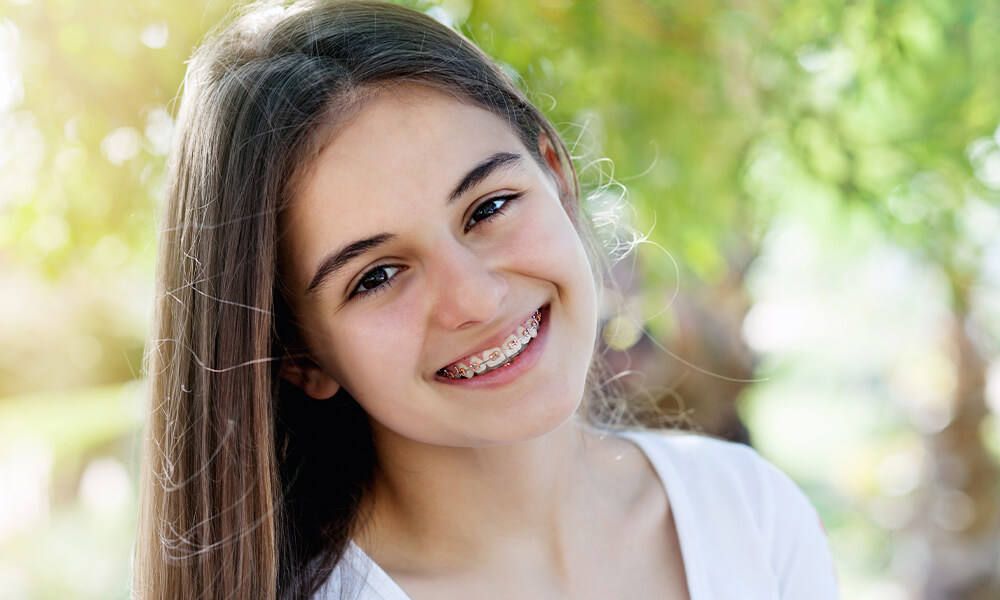
This guide walks you through choosing between Invisalign®, fixed braces, and lingual braces, what the NHS route involves, how to plan around sports and exams, how retainers work, and how we support anxious and neurodivergent teens. You will also find practical back-to-school prep tips and clear next steps.
How to Choose Between Invisalign®, Fixed Braces, and Lingual Braces
All three options can create healthy, confident smiles. The right choice depends on the bite, goals, and day-to-day life.
Invisalign® aligners are clear, removable trays worn for 20 to 22 hours a day. They suit many teen cases, including spacing and crowding, and are popular for discretion during photos, sports, and performances. Aligners come out for meals and brushing, which helps hygiene. Success depends on consistent wear and safe storage.
Fixed braces use small brackets on the teeth with a wire to guide movement. Metal braces are durable and efficient. Ceramic braces are tooth-coloured for a lower-visibility option. Fixed appliances can be ideal for complex tooth movements or when consistent aligner wear may be challenging.
Lingual braces are fixed to the inner surfaces of the teeth. They are hidden from view, which appeals to teens who want complete discretion but prefer a fixed solution. There is a short adjustment period for speech and cleaning.
Unsure what fits best? A specialist assessment considers the bite, growth stage, compliance, and lifestyle. If you want a quick comparison and local details, explore our overview of braces options and what we offer in Wolverhampton on our braces page.
When Invisalign® Is a Good Fit for Teens
Invisalign® often suits motivated teens who want a discreet option and can keep to wear-time. Aligners are removed for eating and drinking anything other than water, so school lunches and snacks are straightforward.
For tech-friendly teens, our Dental Monitoring app helps us review weekly progress from home, which can reduce in-person visits during busy terms.
If aligners are lost or broken, we can guide you on next steps, such as moving to the next tray or arranging a replacement. A labelled case in every school bag is essential.
For more on aligner-led care and our digital workflow, see our Invisalign® information for Wolverhampton families.
When Fixed or Lingual Braces May Be Better
We sometimes recommend fixed or lingual braces when teeth need precise movements, bite correction with auxiliaries, or when consistent 20 to 22 hour wear is not realistic.
Metal braces are robust for contact sports with a mouthguard. Ceramic braces offer a subtler look but can be slightly more brittle if knocked. Lingual braces offer invisibility with the structure of a fixed system.
If your teen plays wind instruments, fixed braces can feel different on the lips for a short while. Orthodontic wax helps during the settling-in phase, and most students adapt quickly.
You can read more about our fixed options, including ceramic choices, on our braces page for Wolverhampton families.
NHS Eligibility and IOTN Explained
The Index of Orthodontic Treatment Need (IOTN) is used across the NHS to decide which under-18s qualify for NHS-funded orthodontics. It grades dental health need and aesthetic impact.
In practical terms:
- If your child meets IOTN criteria, we can place them on the NHS pathway, subject to local waiting times and funding.
- If your child does not meet IOTN criteria but you would still like treatment, private options are available with flexible payment plans.
Your general dentist can refer you for an NHS assessment, or you can contact us directly to discuss private care. If you are weighing NHS versus private, a consultation will clarify timelines, appliance choices, and budgeting.
Planning Around Holidays, Sports, and Exam Season
Start dates: Late summer works well. The first week with any appliance is an adjustment, so aim for fitting at least two to three weeks before term to settle in.
Sports: For contact or ball sports, use a custom or boil-and-bite mouthguard. With Invisalign®, remove the aligner for the match and store it safely in a labelled case, wearing the mouthguard over teeth. With fixed or lingual braces, a braces-safe mouthguard protects lips and brackets.
Music and drama: Aligners come out for performances and practice if needed, then go straight back in. With fixed or lingual braces, use wax while lips adapt and allow a short acclimatisation period.
Exams: Book adjustments for fixed braces outside key exams when possible. With Invisalign®, consider changing to a fresh tray just after exams to avoid minor tenderness during revision days.
Holidays: Pack a travel kit. For aligners, include the case, next set if due while away, and cleaning crystals. For fixed braces, take interdental brushes, wax, and travel toothbrushes.
Back-to-School Prep: Simple Swaps and Lunch Ideas
A few small changes make life easier in September.
Diet swaps: Choose softer breads, wraps, or pasta over hard crusts. Swap whole apples for sliced pieces. Avoid sticky toffees and hard sweets that can break brackets. For aligners, remove before any food or sugary drinks, and rinse before reinserting.
Brace-safe lunches: Yoghurt, cheese, hummus with soft pitta, pasta salads without hard seeds, soft fruit slices, bananas, and omelettes in wraps are gentle on braces.
Everyday kit: A compact case, interdental brushes, orthodontic wax, lip balm, and a small mirror. For aligners, add a labelled case in every bag.
Timelines, Budgeting, and Payment Plans
Treatment times vary by case. Many teen treatments run from 12 to 24 months, though this can be shorter or longer depending on complexity and cooperation.
We will outline an expected timeline at consultation and update it as teeth move.
Budget planning: We offer flexible monthly payment plans and will discuss current fees, what is included, and any promotions during your visit. If you want an early sense of costs and finance options for your family, see our prices and payment information.
Retainers Explained and How to Avoid Relapse
Retention is the longest and most important stage. Teeth are living, and gentle pressures from chewing and speech can shift them over time.
Our standard approach combines:
- A bonded fixed retainer: a slim wire behind front teeth to hold the most relapse-prone area.
- A removable clear retainer, often Vivera by Invisalign®, for night-time wear long term.
We usually begin with a short period of full-time removable wear, then move to nights.
If a night is missed, wear the next day at home, then resume nights. If a retainer feels tight, increase wear and contact us.
Keep retainers clean with cool water and a soft brush, and use recommended cleaning tablets a few times a week. Avoid heat, hot water, and pets.
If a fixed wire loosens or a removable retainer is lost, use wax on any sharp area, switch to your spare if you have one, and contact reception.
Whitening is best after the initial retention settles to support even shade and comfort.
Support for Anxious and Neurodivergent Teens
Your child’s comfort is our priority. Many of our patients are nervous, and some have sensory needs or are on the autism spectrum.
We can:
- Offer quieter times or longer appointments.
- Agree stop signals and talk through each step before we begin.
- Use digital scanning with iTero to avoid messy impressions where suitable.
- Pace treatment so your teen feels in control.
If anxiety rises or appointments feel overwhelming, ask to speak with our Practice Manager, Claire McDonald, so we can adjust the plan or appointment structure.
FAQs
How do I choose between Invisalign®, fixed braces, and lingual braces for my teen?
Consider the bite, complexity, lifestyle, and compliance. Invisalign® is discreet and removable, fixed braces are reliable for complex movements, and lingual braces are hidden but fixed. A specialist assessment will guide the decision.
What is IOTN and what if my child is not eligible for NHS treatment?
IOTN grades clinical and aesthetic need. Eligible under-18s can access NHS care, subject to local waiting times. If not eligible, private options with flexible payment plans are available.
How do we plan treatment around holidays, sports, and exams?
Start a few weeks before term, use a mouthguard for contact sports, keep a labelled aligner case for practices, schedule key adjustments away from exam dates, and pack a travel kit for holidays.
What retainers will my teen need and how do we prevent relapse?
We usually provide a bonded fixed retainer plus a removable clear retainer such as Vivera by Invisalign®. Nightly wear long term and prompt repairs or replacements are the best protection against relapse.
How are anxious or neurodivergent teens supported?
We offer longer or quieter appointments, step-by-step explanations, agreed stop signals, and a calm pace. Speak with us about preferences so we can tailor care.
Your Next Step
A calm, well-timed start sets teens up for success in September. Book a free consultation to confirm suitability, timelines, and budgeting.
Families in the area can learn more about Invisalign® in Wolverhampton on our Invisalign® page, explore braces options for Wolverhampton families, and review our current pricing and payment plans to map out a budget that works.
At Braces & Faces Orthodontics, access useful guides and stay informed about your orthodontic treatment, from first appointments to braces care, FAQs, and contact details


 Opening hours
 Open in Google Maps